
Call us now :07971191233
 Send Inquiry
 Send Inquiry
Copper EDTA
Price 250 INR/ Kilograms
MOQ : 100 Kilograms
Copper EDTA Specification
- Ph Level
- 6.5 7.5
- HS Code
- 29212100
- Storage
- Store in cool, dry place, away from moisture and direct sunlight
- Smell
- Odorless
- Water Insoluble
- Negligible
- Place of Origin
- India
- Melting Point
- 200C (approx)
- Molecular Weight
- 397.7 g/mol
- Poisonous
- Non-poisonous
- Boiling point
- Decomposes before boiling
- Solubility
- Freely soluble in water
- Structural Formula
- C10H12N2O8CuNa2
- Application
- Chelated micronutrient for agriculture, horticulture & foliar spray
- Color
- Blue
- Form
- Solid
- Purity
- 98%
- Shelf Life
- 2 years from date of manufacture
- pH Stability Range
- 5.5 8.0
- Copper Content (as Cu)
- 12% min.
- CAS Number
- 14025-15-1
- Grade
- Technical/Agricultural
- Packaging
- 25 Kg HDPE Bag with liner
- Appearance
- Free flowing crystalline powder
- Chelating Agent
- EDTA (Ethylenediaminetetraacetic acid)
- Bulk Density
- 0.7 0.9 g/cm
Copper EDTA Trade Information
- Minimum Order Quantity
- 100 Kilograms
- Supply Ability
- 100 Kilograms Per Day
- Delivery Time
- 1 Days
About Copper EDTA
EDTA Copper, a derivative of Ethylenediaminetetraacetic acid (EDTA), stands out for its chelating prowess specific to copper ions. Widely employed in agriculture, it acts as a micronutrient in fertilizers, addressing copper deficiencies to enhance plant growth and yield. In analytical chemistry, EDTA Copper is instrumental in titrations for the precise determination of copper concentrations. Its chelating properties extend to industrial processes, where it prevents undesired effects of copper, such as oxidation and discoloration. With applications ranging from agriculture to analytical chemistry and industry, EDTA Copper proves indispensable for ensuring optimal plant health, accurate analysis, and stable industrial processes.
Optimized Chelation for Agriculture
Formulated using EDTA as the chelating agent, Copper EDTA ensures that copper remains bioavailable to plants even in challenging soil conditions. Its solubility and stability within standard application pH ranges make it an ideal solution for agricultural and horticultural use, promoting healthy growth and preventing copper deficiencies.
Quality and Safety Assurance
Manufactured in India, Copper EDTA follows stringent quality standards. With a purity of at least 98% and negligible water-insoluble content, each batch undergoes rigorous testing to meet technical and agricultural requirements. The non-toxic, odorless formula and safe packaging enhance user confidence and product shelf life.
FAQ's of Copper EDTA:
Q: How should Copper EDTA be applied in agricultural and horticultural settings?
A: Copper EDTA can be used as a soil amendment or in foliar spray solutions. Due to its free-flowing powder form and high solubility in water, it is easily dissolved and distributed. Application rates vary based on crop requirements and soil analysis, but it is commonly used to correct copper deficiencies.Q: What is the main benefit of using Copper EDTA over other copper sources?
A: Copper EDTA delivers highly bioavailable copper through chelation, allowing plants to absorb the nutrient even in soils with high pH or competing ions. This results in improved crop health, growth, and yield without the risk of toxicity or precipitation.Q: When is the best time to use Copper EDTA during crop growth?
A: Copper EDTA is often applied during early growth stages or whenever symptoms of copper deficiency are observed. Regular application can help maintain optimum copper levels throughout the plant's life cycle, especially during periods of rapid growth or stress.Q: Where should Copper EDTA be stored to maintain product quality?
A: Store Copper EDTA in a cool, dry place, away from moisture and direct sunlight. Keeping the packaging sealed and protected from environmental factors will help preserve its shelf life and effectiveness.Q: What processes does Copper EDTA undergo before packaging?
A: Copper EDTA is manufactured under controlled conditions to achieve high purity and stable composition. After production, it is tested for copper content, pH stability, solubility, and absence of impurities before being packaged in 25 Kg HDPE bags with liners for shipment.Q: Is Copper EDTA toxic or hazardous to handle?
A: Copper EDTA is non-poisonous, odorless, and considered safe for agricultural use when handled according to standard guidelines. Protective gear is recommended during handling to avoid dust inhalation, but the compound does not pose significant health risks under normal usage.Q: What are the usage recommendations for Copper EDTA in foliar sprays?
A: For foliar application, Copper EDTA should be dissolved in water at the recommended concentration based on your crop's needs. Spray evenly during cool, calm weather to maximize absorption and minimize waste. Avoid spraying before rainfall to prevent nutrient runoff.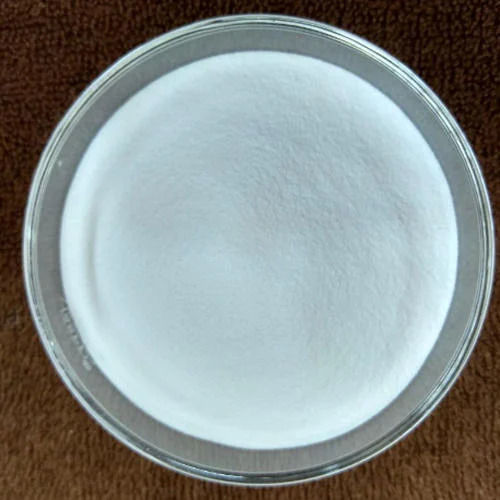
Tell us about your requirement

Price:
Quantity
Select Unit
- 50
- 100
- 200
- 250
- 500
- 1000+
Additional detail
Mobile number
Email

More Products in EDTA Acid And Salt Category
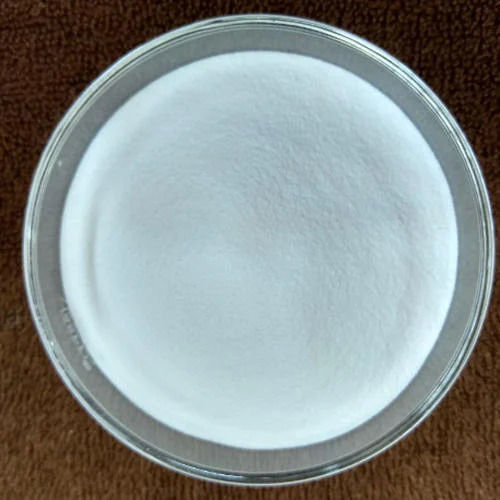
Magnesium Disodium EDTA
Price 250 INR / Kilograms
Minimum Order Quantity : 100 Kilograms
Place of Origin : India
Poisonous : Other, Nonpoisonous
Storage : Other, Store in a cool, dry, and wellventilated place, away from moisture
Color : Other, White to offwhite powder
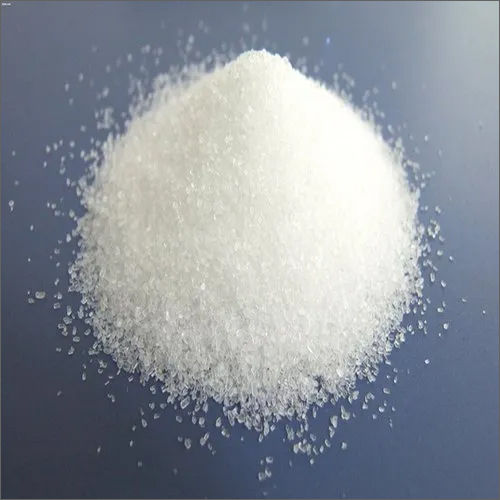
EDTA Tetrasodium
Price 330 INR / Kilograms
Minimum Order Quantity : 100 Kilograms
Place of Origin : India
Poisonous : Yes
Storage : Room Temperature
Color : White
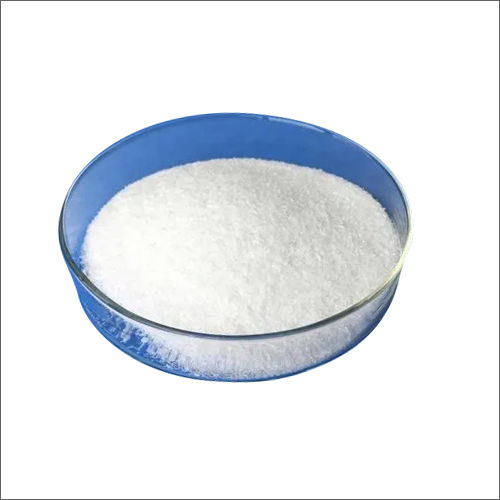
EDTA Acid
Price 365 INR / Kilograms
Minimum Order Quantity : 100 Kilograms
Place of Origin : India
Poisonous : Yes
Storage : Room Temperature
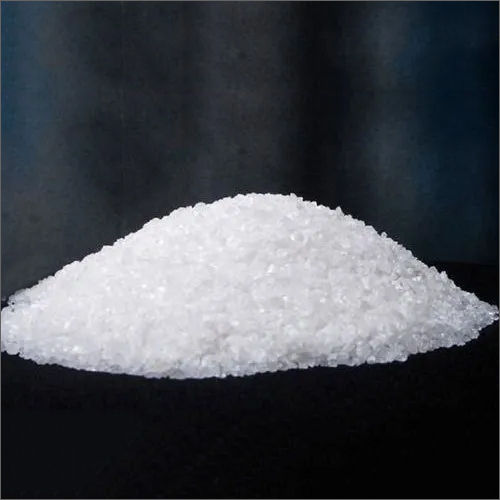
EDTA Disodium
Price 335 INR / Kilograms
Minimum Order Quantity : 100 Kilograms
Place of Origin : India
Poisonous : Yes
Storage : Room Temperature
Color : White

 Send Inquiry
Our Products


No. 4, Pelican Industrial Estate, Road No. 5, Gidc, Ahmedabad - 382430, Gujarat, India

Mr Nilesh Patel
(Proprietor )
Mobile :07971191233
 Send Inquiry
 Send SMS
Developed and Managed by Infocom Network Private Limited.
